

Breaking In a New Briar Pipe: The Half-Bowl Method Step by Step
Bare briar needs a protective layer of carbon cake before it smokes well. The half-bowl method builds it slowly, from the bottom up, without overheating the wood.
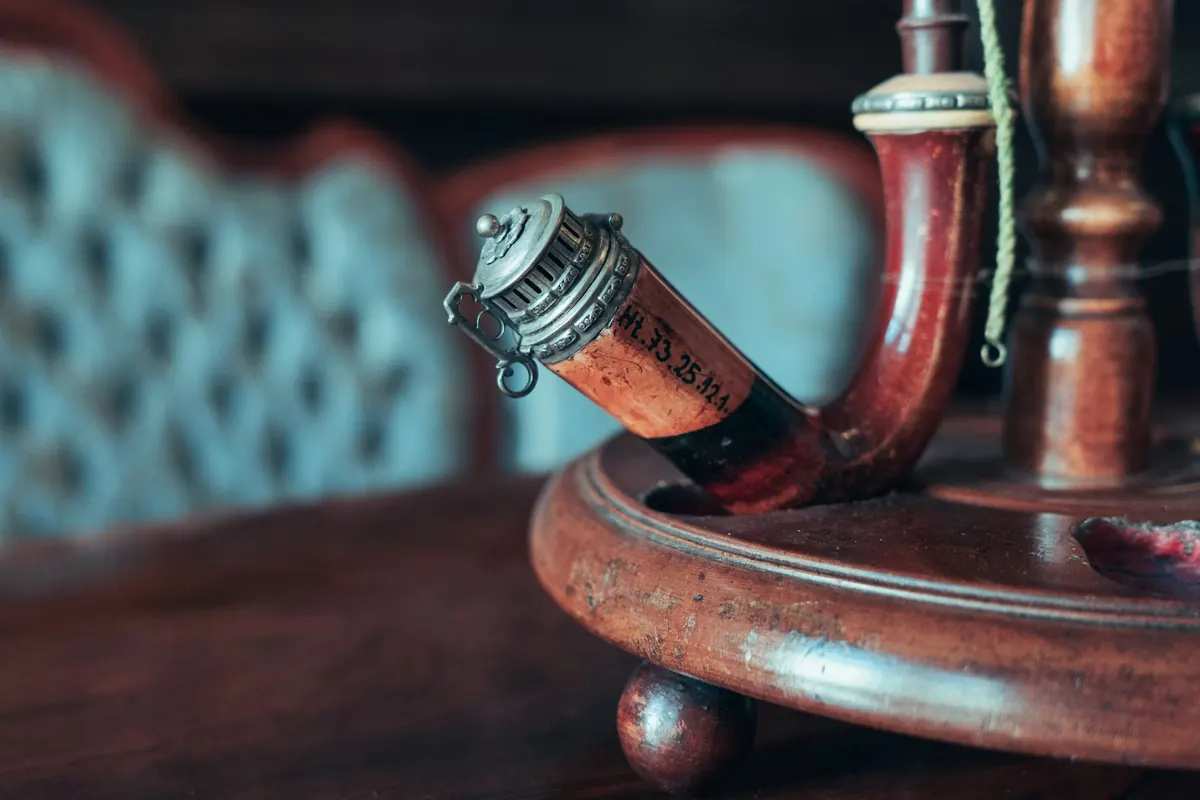
A new briar bowl is bare wood. It will burn tobacco, but it will not smoke well — not yet. The inside needs a thin, even layer of carbon cake, built up slowly, bowl by patient bowl. Rush that process and you get a hot, bitter smoke, a scorched draught hole and a pipe that never quite tastes right. The half-bowl method exists for a simple reason: it builds cake from the bottom up, in thin layers, without cooking the wood. It takes a fortnight or so. It is worth every bowl.
Why a New Briar Needs Cake
Briar is dense, hard and remarkably heat-resistant, but it is still wood. Smoke a bare bowl hard and the inner walls char, the grain opens up and the pipe tastes of scorched timber for months. Carbon cake — the fine, dry layer of carbonised residue left behind by burnt tobacco — sits between the ember and the wood like soot in a chimney flue. It insulates the briar, soaks up moisture and, once seasoned, rounds off the flavour.
The important word is thin. Aim for something about a millimetre thick, rough rather than glossy, like the inside of an old flue. A thick, crumbly crust insulates too well: it cracks, it holds sourness, and it can split the bowl as it expands.
Before the First Smoke
Check the pipe before you load it. Hold it up to the light — the draught hole should be clear and the bowl free of dust and briar shavings from the workshop. Wipe the inside with a clean cloth and run a pipe cleaner through the stem.
Choose your tobacco with care. A mild, ribbon-cut blend, dry enough to spring back when pinched, burns cool and leaves a clean residue. Wet, heavily cased aromatics burn hot and leave a sticky glaze that isn't cake at all. Keep a tamper, pipe cleaners and matches or a soft flame lighter to hand, and smoke indoors, out of the wind.
The Half-Bowl Method, Step by Step
- Fill the bowl halfway. Sprinkle tobacco loosely into the bowl until it reaches the midpoint, then press it down gently — just enough that it stops springing back. Draw on the empty pipe: it should feel like sipping through a straw, with a little resistance.
- Charring light. Pass the flame over the surface and draw gently. This first light is thin, bitter and usually goes out on its own. Let it.
- Tamp and relight. Press the ash down flat with light pressure, then light properly. Sip rather than puff — long, slow draws, a few seconds apart.
- Smoke it to the bottom of the half. This is the whole point. Stop at the first third and the heat never reaches the lower bowl. Take the half-bowl all the way down, so the cake starts forming where it is needed most.
- Keep it cool. Hold the bowl against your cheek. If you cannot keep it there comfortably for a few seconds, it is too hot — set the pipe down for five minutes and come back to it.
- Finish, clean and rest. Tap the ash out gently, wipe the bowl with a folded pipe cleaner and run one through the stem. Then leave the pipe alone for at least twenty-four hours. Dry briar builds cake; damp briar turns sour.
How Many Bowls, and When to Move Up
Six to ten half-bowls is a sensible starting point, though moisture, cadence and the briar itself all shift the number. When a half-bowl tastes neutral rather than woody and the lower bowl looks dull grey-black and dry, move to two-thirds fills, then to full bowls.
Judge the result by eye and by feel, not by a calendar. The inside should look dusty and slightly rough, never shiny or flaking. Do not scrape at it, do not ream it, and do not try to hurry it along with a coating of honey or sugar — a plain half-bowl needs no additives, and sweet coatings bake on, trap moisture and burn hotter than bare briar.
Mistakes That Undo the Work
- Puffing to keep it lit. A struggling pipe makes you draw hard, and hard drawing sends heat straight into the wood.
- Tamping too firmly. Over-tamping chokes the draw, which makes you pull harder still.
- Smoking in the wind. Moving air turns a gentle ember into a furnace. Break a pipe in indoors or in a sheltered spot.
- Two bowls in a day. A new pipe needs to dry between smokes far more than a seasoned one does.
- Chasing flavour in the first week. Early bowls taste of briar, faintly woody and dry. That fades as the cake forms.
- Cake on the top half only. If the upper bowl is black and the bottom is bare, you have been stopping too soon.
What a Well-Broken Pipe Feels Like
Progress shows up in three places. The heat creeps lower down the bowl with each smoke rather than sitting under the rim. The inner walls change from pale honey-brown to a dull, sooty black. And the flavour settles — less wood, more tobacco, sweeter at the end of the bowl than the beginning.
Once the cake is set, keep it that way. Wipe the bowl after every smoke, ream it lightly when the layer grows past a millimetre, and give the pipe a day's rest between outings. If a pipe turns sour or the cake goes crumbly, scrape it back to bare wood and start again — the half-bowl method works just as well the second time.
Taking Your Time
Breaking in a briar is a fortnight of modest, unhurried smoking, and that is the whole trick. Fill it halfway. Sip it slowly. Put it down when it is warm. Rest it overnight. Do that and you will end up with a bowl that is cooler, drier and sweeter than the day you unwrapped it — and a pipe that will keep giving for years.
One last thing worth saying plainly: no form of tobacco smoking is without risk, and pipe smoking is no exception. If you are worried about your health or want help cutting down, your GP or pharmacist can advise.
Photo: Tibor Szabo / Pexels